


Suspension accumulator
Shanghai Siken Industries Inc.
Web: www.siken-inc.com
Email:info@siken-inc.com
Accumulator Suspension Function
In a vehicle suspension system (especially hydropneumatic or hydraulic active/semi-active suspensions), the accumulator has several important functions:
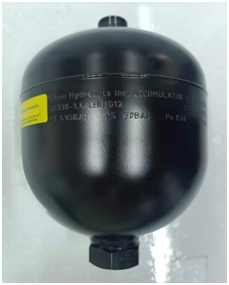
1. Acts as a Gas Spring
• The nitrogen gas inside the accumulator is compressed when the suspension compresses (wheel hits a bump).
• This compressed gas provides the spring force that supports the vehicle weight.
• It creates a progressive spring rate: soft for small bumps and firmer for larger impacts.
2. Shock Absorption / Energy Absorption
• Absorbs sudden pressure spikes and impact energy from road irregularities.
• Reduces harsh shocks transmitted to the vehicle body, improving ride comfort.
• Protects the hydraulic cylinders, valves, and other suspension components from high-pressure peaks.
3. Volume Compensation
• Compensates for changes in hydraulic fluid volume caused by temperature variations or minor leakage.
• Helps maintain consistent system pressure and ride height.
4. Improves Responsiveness and Damping Control
• Quickly absorbs excess fluid during compression and releases it during rebound.
• Helps the suspension respond faster to changing road conditions.
• In active systems, it supports rapid pressure adjustments for better handling and stability.
5. Pressure Stabilization
• Smooths out pressure fluctuations in the hydraulic circuit.
• Maintains more consistent damping force and system performance.
These functions are why suspension accumulators (often diaphragm or bladder type) are essential in systems like Citroën hydropneumatic suspension, truck/bus hydraulic suspensions, and modern active suspension systems.