


What is bladder accumulator
Shanghai Siken Industries Inc.
Web: www.siken-inc.com
Email:info@siken-inc.com
Hydraulic accumulators store potential energy using compressed gas, springs, or weights to pressurize fluid in a hydraulic system.
The three main categories are gas-loaded, spring-loaded, and weight-loaded accumulators, with gas-loaded designs being the most widely used.
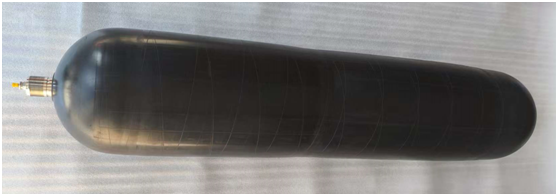
Gas-Loaded Accumulators
Gas-loaded accumulators use an inert gas (usually nitrogen) compressed inside a shell to store and push hydraulic fluid. They are separated into four main mechanical types:
· Bladder Accumulators: Feature a flexible rubber bladder inside a steel shell filled with nitrogen. They offer fast response times and are great for shock absorption, though the rubber bladder can degrade under high-cycle use.
· Piston Accumulators: Use a free-floating sliding piston to separate the gas and fluid chambers. They handle high pressures (over 700 bar) and large fluid volumes, making them ideal for heavy industrial machinery.
· Diaphragm Accumulators: Use a flexible rubber or metal membrane to separate the gas and fluid. They are compact, lightweight, and react instantly to pressure spikes, but have limited volume capacity.
· Metal Bellows Accumulators: Replace the rubber bladder or diaphragm with a welded metal bellows. They provide maintenance-free operation and handle extreme temperatures or aggressive fluids where rubber fails.
Mechanical Accumulators
Instead of compressed gas, these rely on physical force:
· Spring-Loaded Accumulators: Use a heavy mechanical spring to force a piston against the fluid. They eliminate the risk of gas leaks, but cannot match the high pressure or large capacity of gas-charged units.
Weight-Loaded (Dead Weight) Accumulators: Use a massive external weight or gravity acting on a vertical piston to create constant pressure. They are large, stationary, and mostly found in older heavy industrial installations.